
North vs South Indian Food: A Melbourne Guide
Ask someone what Indian food tastes like and they’ll probably describe butter chicken, naan, and rich curry sauce. Ask someone else and they’ll tell you about crispy dosas, coconut chutney, and rice served on a banana leaf. Both are right and both are describing entirely different culinary traditions.
India is not one cuisine. It’s a continent-sized country with dozens of regional cooking traditions, each shaped by geography, religion, climate, and thousands of years of distinct history. For Melbourne diners curious about Indian food styles, understanding the difference between North and South is the key that unlocks the whole menu.
At Flora Melbourne, our menu draws from both traditions. This guide is your starting point for navigating North vs South Indian cuisine Melbourne so you can order with confidence and eat with genuine curiosity.
Why the Distinction Matters for Diners
If you’ve ever walked into an Indian restaurant Melbourne CBD and felt slightly overwhelmed by the menu this is probably why. Without understanding the broad difference between northern and southern Indian cooking, a menu of thirty dishes can feel like a wall of unfamiliar names.
Once you understand the two traditions, the menu starts to make sense. You can navigate by what you’re in the mood for rich and creamy, or light and tangy; bread-based or rice-based; dairy-heavy or plant-forward.
Two Traditions, One Great Cuisine
The divide between North and South India isn’t sharp there’s plenty of overlap, fusion, and regional variation within each tradition. But the broad differences are real and meaningful, and understanding them makes you a significantly more confident and adventurous diner.
North Indian Cuisine: What to Expect
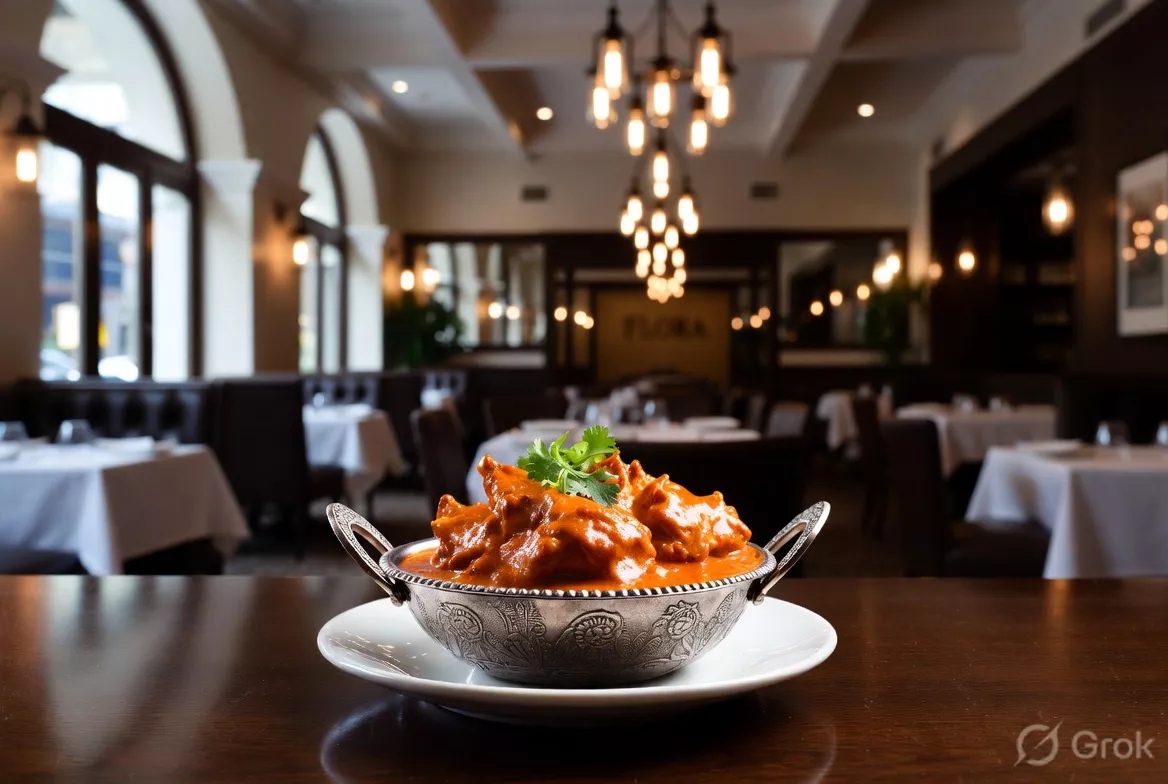
North Indian cooking is what most Australians picture when they think of Indian food and that’s not without reason. The Mughal Empire, which ruled northern India for centuries, left a profound culinary legacy: rich gravies, fragrant rice dishes, and the tandoor oven that is now a global icon.
The Tandoor and the Spice Route
The clay tandoor oven is the heart of northern Indian cooking. It runs at extraordinarily high temperatures up to 480 degrees and it imparts a distinctive char and smokiness to everything it touches, from breads to marinated meats to paneer.
North Indian spicing tends to be warm and complex: cumin, coriander, garam masala, cardamom, and fenugreek. The heat comes from red chilli powder, which gives dishes their characteristic deep colour as well as their warmth. The result is food that is aromatic, layered, and deeply satisfying.
Key North Indian Dishes to Know
- Butter chicken (murgh makhani) the benchmark of North Indian cooking for most Melbourne diners
- Dal makhani slow-cooked black lentils, rich with butter and cream
- Rogan josh slow-braised lamb with Kashmiri spices, fragrant and deeply coloured
- Palak paneer fresh cheese in a spiced spinach sauce
- Biryani fragrant basmati rice layered with spiced meat or vegetables
- Seekh kebab minced lamb or chicken shaped onto skewers and cooked in the tandoor
Bread is central to the northern table. Garlic naan, plain naan, roti, paratha, puri all baked fresh, and all designed to scoop and accompany the rich gravies of the region.
Flora Melbourne tip: If you’re ordering North Indian food, get at least two different breads to share the variety of texture and flavour across naan, roti, and paratha is genuinely surprising.
The Role of Dairy in Northern Cooking
Northern Indian cooking is built on dairy. Ghee (clarified butter), cream, yoghurt, and paneer (fresh cheese) feature throughout the menu. This dairy richness is what gives North Indian food its characteristic creaminess and depth and it’s also important to know about if you’re cooking for guests with dairy intolerances.
South Indian Cuisine: What to Expect
Move south and the cuisine changes dramatically. The landscape changes tropical and coastal rather than landlocked and arid and so does the food. Rice replaces wheat. Coconut replaces dairy. Tamarind and curry leaf replace garam masala. The result is a cuisine that is lighter, brighter, and often more intensely aromatic than its northern counterpart.
Rice, Lentils, and Coastal Influences
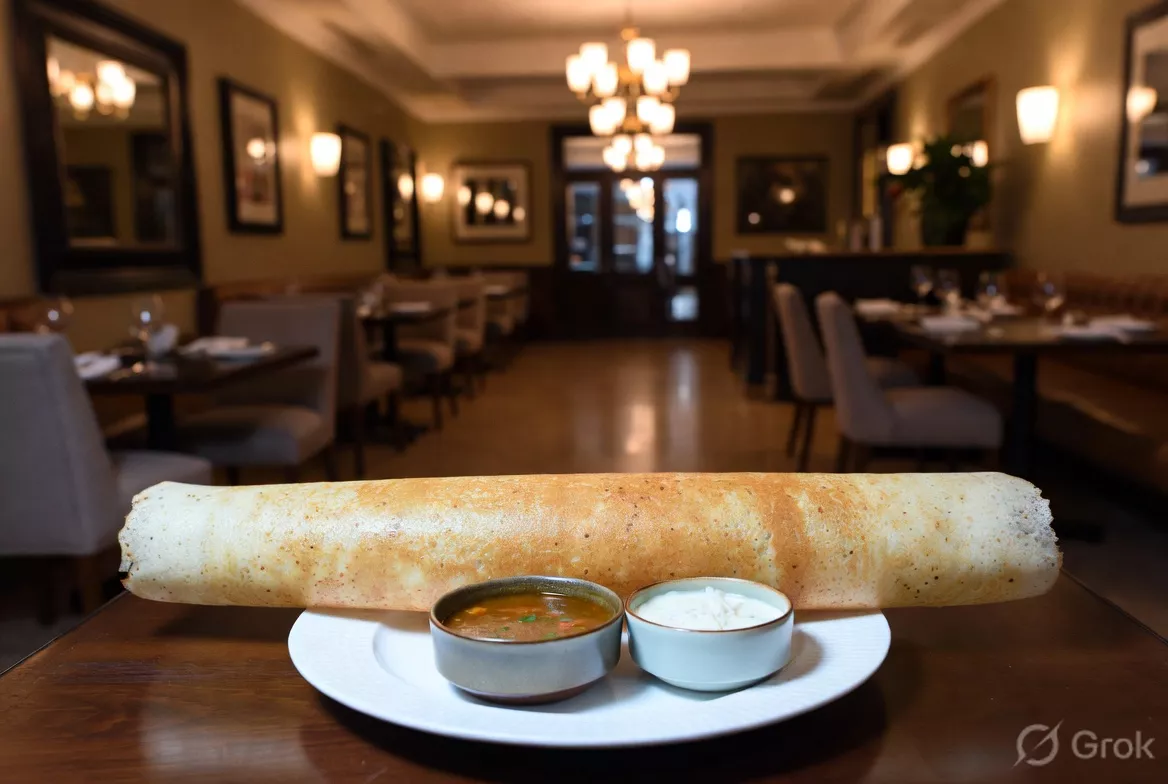
Rice is the foundation of South Indian food Melbourne lovers are increasingly discovering and it appears in more forms than just steamed white rice. Dosas are made from fermented rice batter. Idlis are steamed rice cakes. Appam are lacy rice flour pancakes. Rice is ground, fermented, steamed, and crisped in ways that create extraordinary variety from a single ingredient.
Lentils sambar, rasam, and dal are central to the southern table, typically thinner and more broth-like than their northern cousins. Coconut milk and fresh coconut add richness without dairy. Tamarind adds sourness. Black pepper the original ‘black gold’ that drove the spice trade provides heat.
Key South Indian Dishes to Know
- Masala dosa crispy fermented crepe filled with spiced potato, served with sambar and coconut chutney
- Idli steamed rice and lentil cakes, light and fluffy, served with sambar
- Sambar a tart, spiced lentil soup that accompanies almost every South Indian meal
- Rasam a peppery, intensely sour broth, thin and deeply warming
- Chettinad chicken curry bold, complex, and fiercely spiced from Tamil Nadu’s Chettinad region
- Kerala fish curry fresh fish in a coconut milk and tamarind sauce, characteristic of the coastal south
- Payasam a South Indian rice or vermicelli dessert made with jaggery, coconut milk, and cardamom
South Indian food is among the most naturally vegan-friendly cuisines in the world coconut milk replaces cream, vegetable oil or coconut oil replaces ghee, and the lentil-rice tradition means protein is plant-based by default.
South Indian Food and Plant-Based Dining
For Melbourne’s growing community of vegan and plant-based diners, South Indian cuisine is a revelation. The Karnataka, Tamil Nadu, and Gujarat food traditions are almost entirely built on vegetables, lentils, and grains not as a substitution for meat, but as the natural language of the cuisine.
North vs South: The Key Differences
Here’s the essential comparison at a glance:
| North Indian | South Indian | |
| Staple carb | Wheat naan, roti, paratha | Rice dosa, idli, rice dishes |
| Key fat | Ghee, cream, yoghurt | Coconut oil, coconut milk |
| Signature flavour | Warming, rich, aromatic | Tangy, bright, aromatic |
| Heat source | Red chilli powder, spice blends | Green chilli, black pepper |
| Protein tradition | Lamb, chicken, paneer | Lentils, vegetables, fish, chicken |
| Vegan-friendliness | Can be adapted (dairy heavy) | Naturally vegan-forward |
| Iconic dish | Butter chicken, biryani, rogan josh | Masala dosa, idli, sambar |
| Cooking method | Tandoor, slow braising | Steaming, fermenting, tempering |
Your Complete Dish Guide
A quick reference for navigating North Indian vs South Indian cuisine Melbourne menus:
| Dish | Origin | Flavour Notes | Great If You Like… |
| Butter chicken | North | Creamy, mild, tomato-rich | Rich gravies, comfort food |
| Rogan josh | North | Aromatic, deep, slow-cooked | Bold lamb dishes |
| Dal makhani | North | Smoky, buttery, lentil-rich | Hearty vegetarian mains |
| Palak paneer | North | Earthy, silky, lightly spiced | Spinach, soft cheese |
| Masala dosa | South | Crispy, tangy, spiced potato | Light, crispy textures |
| Sambar | South | Sour, spiced, lentil-based | Broths and dipping sauces |
| Rasam | South | Peppery, sour, warming | Thin soups, bold flavour |
| Chettinad curry | South | Fiery, complex, aromatic | Very spicy, bold dishes |
| Kerala fish curry | South | Coconut, tamarind, fresh | Seafood, coastal flavours |
Dish availability subject to Flora Melbourne’s current menu. Ask our team about seasonal specials and chef recommendations when you visit.
Which Style Is Right for You?
If You Love Bold, Creamy, Hearty Food
Go North. Butter chicken, rogan josh, dal makhani, and tandoori dishes are for you. Order garlic naan to scoop the sauces and a lassi to balance the richness. These are the dishes that reward a long, unhurried dinner.
New to Indian food? Start with butter chicken and garlic naan it’s a forgiving, crowd-pleasing introduction that gives you a real sense of what North Indian cooking can do.
If You Prefer Light, Tangy, Plant-Based
Go South. Masala dosa, idli, sambar, and the Kerala-style dishes are lighter, brighter, and often more interesting for the plant-based diner. The sourness of tamarind and the warmth of black pepper create flavours that feel clean and alive rather than rich and heavy.
And if you can’t choose? Order one from each tradition and share. Dosa vs naan Melbourne is a debate best settled at the table, not in theory.
Both Traditions at Flora Melbourne
One of the things that makes Flora Melbourne distinctive among Indian restaurants in Melbourne CBD is the breadth of the menu. Rather than specialising in one regional tradition, Flora draws from the full spectrum of authentic Indian food Melbourne can offer.
Whether you’re in the mood for a slow-cooked northern biryani or a crispy southern dosa, you’ll find it done properly here with ingredients sourced for quality and dishes prepared the way they’re meant to be.
Not sure what to order? Tell the Flora team what you’re in the mood for rich or light, spicy or mild, meat or plant-based and we’ll guide you through the menu. That’s what we’re here for.
Frequently Asked Questions
Is butter chicken North or South Indian?
Butter chicken is definitively North Indian it originated in the Punjab region and is one of the defining dishes of the Mughal-influenced cooking tradition. It’s rich, mildly spiced, and tomato-cream based. At Flora Melbourne, it’s one of our most-ordered dishes.
What is a dosa and where does it come from?
A dosa is a thin, crispy crepe made from a batter of fermented rice and lentils. It originates in South India particularly Tamil Nadu and Karnataka and is one of the most iconic dishes of South Indian food Melbourne menus feature. It’s typically served with sambar and coconut chutney, and the masala dosa (filled with spiced potato) is the most popular variety.
Is South Indian food always vegetarian?
No though South Indian cuisine has an exceptionally rich vegetarian tradition. Many South Indian states have strong vegetarian cultures, and the rice-lentil foundation of the cuisine makes plant-based eating natural rather than a compromise. Coastal regions like Kerala feature significant seafood, and Chettinad cooking includes bold meat dishes.
Which Indian cuisine is spicier?
Both can be spicy but in different ways. South Indian food tends to use fresh green chilli and black pepper for piercing heat. North Indian cooking uses red chilli powder for a warmer, more gradual heat. Many people find South Indian food hotter on the palate, especially dishes from the Chettinad region. At Flora Melbourne, our team can adjust the heat level of most dishes on request.
Explore the Menu at Flora Melbourne
Now that you know the difference between North Indian vs South Indian cuisine Melbourne‘s dining scene has on offer, the only thing left to do is eat. At Flora Melbourne, both traditions are done with care, consistency, and genuine culinary knowledge.
Book your table, bring your appetite, and let the menu do the talking.