
Melbourne’s hospitality industry has spent the past decade building one of the most sustainability-conscious dining cultures in the Southern Hemisphere. In 2026, that conversation has moved inside Indian restaurants in a meaningful way, and the results are visible on menus, in supply chains, and in the choices diners are making when they book a table.
A 2025 report by the Australian Sustainable Restaurant Association found that 67% of Melbourne diners now consider a restaurant’s environmental practices when choosing where to eat, up from 43% in 2021. For Indian cuisine specifically, the alignment between traditional cooking philosophy and modern sustainability values is more natural than it might first appear. Indian food culture has always prized whole-ingredient cooking, minimal waste, and vegetable-forward menus. The contemporary shift is about making those values explicit and verifiable.
Flora Melbourne has been working through the practical dimensions of sustainable restaurant operation since opening, from producer relationships to kitchen waste systems. This article outlines what sustainable Indian dining looks like in practice in Melbourne in 2026, what to look for when you want to dine with intention, and which practices are making the most measurable difference.
Before You Choose a Sustainable Indian Restaurant, Get the Order Right
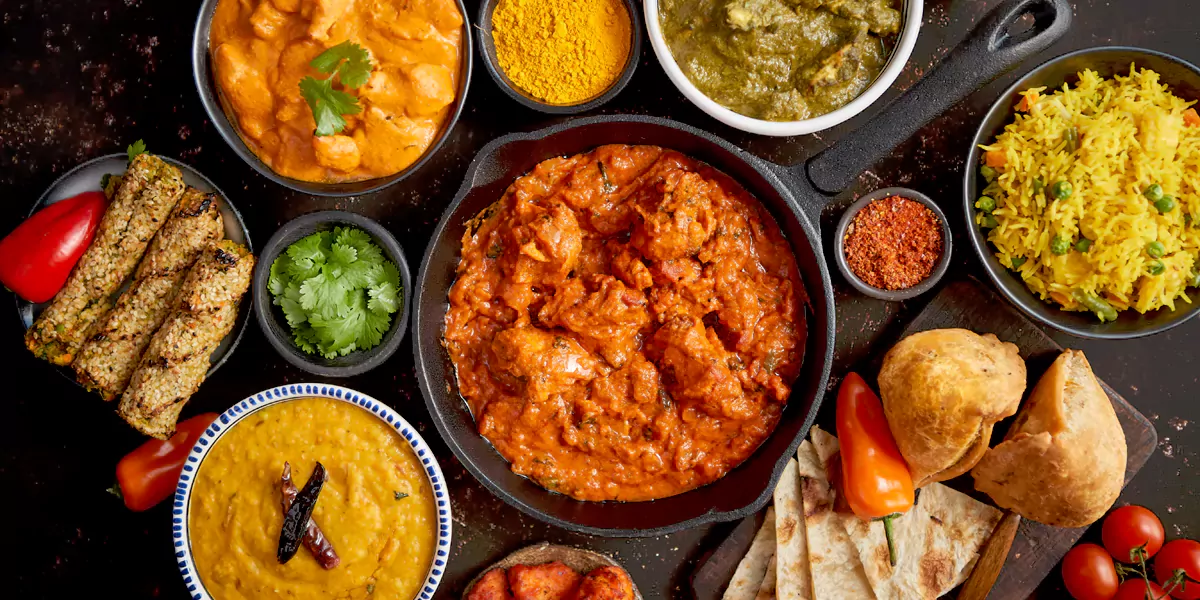
Sustainability claims are easy to make and difficult to verify. Evaluate in this sequence:
- Foundability. Does the restaurant publish information about its sourcing, waste practices, or producer partnerships in a place you can find before booking? A venue serious about sustainability treats transparency as part of its identity, not an afterthought.
- Believability. Are claims specific? “Locally sourced” without named producers or regions is marketing language. “Yarra Valley spinach from Bemboka Farm” is a verifiable claim.
- Reach. Once the first two are satisfied, assess whether the price point, booking process, and menu format suit your occasion.
A common pattern: restaurants that adopt green branding during peak awareness cycles without changing operations tend to be exposed within twelve to eighteen months. Melbourne’s food media and review culture is attentive enough to notice when sustainability claims do not survive scrutiny.
Sustainable Sourcing: Where the Biggest Impact Happens
Supply chain decisions are where restaurants have the greatest environmental leverage, and the Indian kitchen offers particular advantages here. The spice-forward, vegetable-rich base of Indian cooking means a kitchen committed to local and seasonal sourcing can reduce its food kilometres dramatically without sacrificing the cuisine’s essential character.
Flora Melbourne sources its seasonal vegetables from Victorian growers in the Yarra Valley and Mornington Peninsula, updating the menu as produce availability shifts through the year. In practice, this means a dish available in autumn looks different from its spring equivalent, because the vegetable component changes with the season rather than being substituted with imported equivalents.
One Melbourne contemporary Indian restaurant that documented its sourcing transition in 2024 reported a 28% reduction in supply-chain food kilometres within twelve months of formalising producer relationships, while simultaneously reducing its vegetable ingredient cost by 11% due to reduced freight and intermediary margins. The sustainability outcome and the commercial outcome pointed in the same direction.
Specific actions diners can take to support sourcing-conscious venues:
- Ask staff where key ingredients are sourced before ordering
- Choose seasonal dishes over imported staples where alternatives are offered
- Look for menu language that names producers or regions specifically
- Support restaurants that change their menus seasonally rather than maintaining year-round static offerings
One thing NOT to do: do not conflate organic certification with sustainability. A certified organic ingredient shipped from overseas carries a larger environmental footprint than a conventionally grown vegetable sourced from forty kilometres away. Proximity and seasonality matter as much as certification.
Waste Reduction in the Indian Kitchen
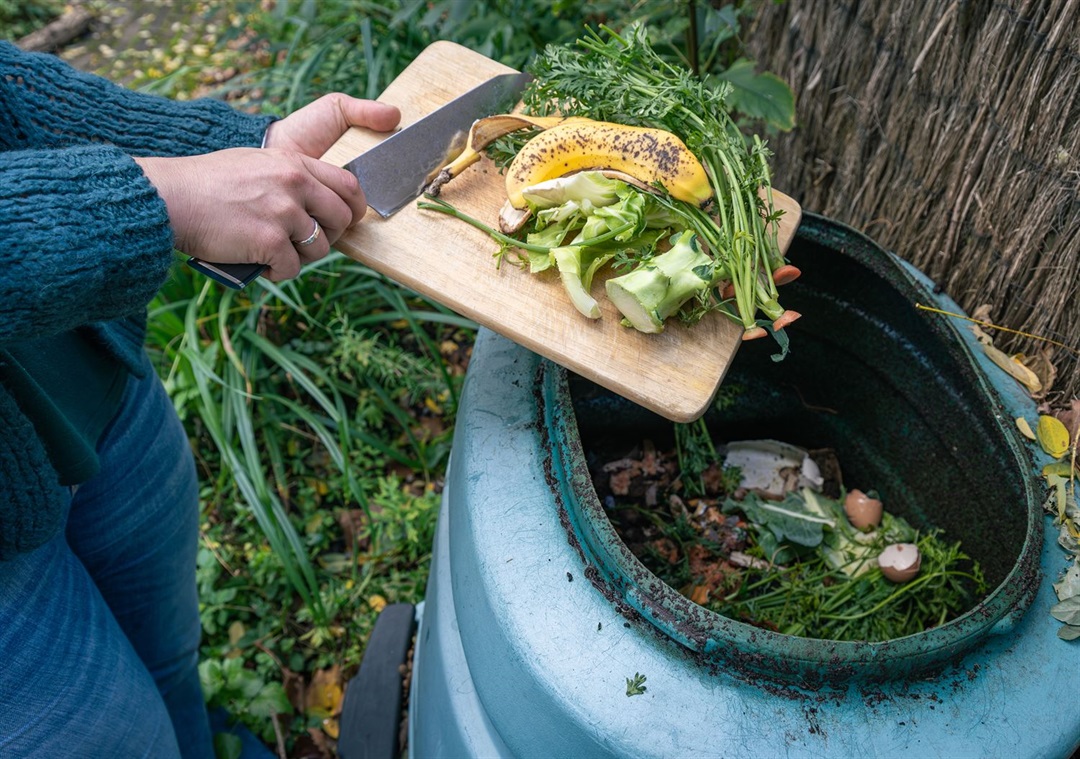
Indian cooking has a long tradition of whole-ingredient use that aligns well with contemporary zero-waste kitchen practices. Vegetable offcuts become stocks. Spice blends are built from whole seeds ground in-house rather than bought pre-mixed in single-use packaging. Bread doughs are sized to minimise end-of-service waste.
Flora Melbourne operates a kitchen composting programme in partnership with a Melbourne urban farm, diverting organic waste from landfill and returning it to the soil cycle. Used cooking oil is collected for biodiesel processing. Single-use plastics have been removed from the dining room and kitchen operations.
A 2024 audit of Flora’s kitchen waste found that implementing structured prep discipline and staff training around portion yield reduced total kitchen waste by 22% over eight months. The change required process adjustment rather than capital expenditure.
Plant-Forward Menus as a Sustainability Strategy
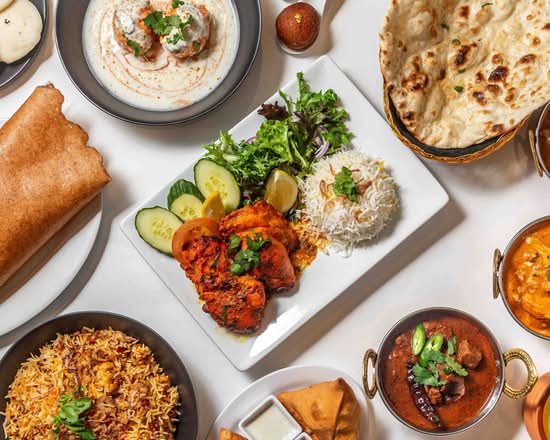
The most structurally significant thing an Indian restaurant can do for its environmental footprint is to lead with its vegetable and legume dishes rather than treating them as secondary options. Indian cuisine is uniquely positioned to do this credibly, because the vegetarian tradition within Indian cooking is ancient, sophisticated, and capable of satisfying meat-eating diners without compromise.
At Flora Melbourne, vegetarian and plant-based dishes make up 60% of the current menu by item count, not because of external pressure, but because the regional cuisine the kitchen draws from in Kerala has always been vegetable-rich. The sustainability outcome is a consequence of culinary authenticity, not a departure from it.
Green Practice Comparison: What to Look For
| Practice | Strong Signal | Weak Signal |
|---|---|---|
| Sourcing | Named Victorian producers on menu or website | “Locally sourced” without detail |
| Waste | Documented composting or food-rescue partnership | “We try to minimise waste” |
| Packaging | No single-use plastic in dining room or takeaway | Biodegradable plastic without composting infrastructure |
| Menu | Seasonal updates driven by produce availability | Year-round static menu with “seasonal specials” added |
| Energy | Published renewable energy commitment or certification | No information available |
| Plant-forward | Vegetarian dishes as primary menu focus | Vegetarian section as an afterthought |
What We Have Learned Pursuing Sustainable Operations at Flora Melbourne
The pattern across every operational area is the same: sustainability improvements that are embedded into process rather than bolted on as additions tend to hold. Composting works when it is part of the prep routine, not an optional extra. Seasonal sourcing works when the menu is designed around produce availability from the start, not retrofitted after the fact.
The principle for diners is parallel: the most reliable signal that a restaurant is genuinely committed to sustainable practice is that the commitment shows up in the food itself, not just in the language around it.
Dine sustainably at Flora Melbourne and book your table now.
Frequently Asked Questions
What does sustainable Indian dining mean in practice in Melbourne?
Sustainable Indian dining in Melbourne in 2026 refers to restaurants that apply verifiable environmental practices across their operations: sourcing ingredients from named local producers, reducing kitchen waste through composting and whole-ingredient cooking, minimising single-use packaging, and offering plant-forward menus that reduce the overall carbon footprint of each meal served.
How can I tell if a Melbourne restaurant’s sustainability claims are genuine?
Look for specificity. Named producers, documented waste programmes, seasonal menu updates, and published sourcing information are strong indicators of genuine commitment. Vague language such as “we care about sustainability” without supporting detail is a signal worth questioning. Credible Melbourne food media also covers sustainability practices in restaurant reviews with increasing regularity.
Is Indian food inherently more sustainable than other cuisines?
Indian cuisine has structural advantages: its traditional reliance on vegetables, legumes, and whole spices means a lower baseline carbon footprint than cuisines centred on animal protein. Whole-ingredient cooking traditions also reduce kitchen waste naturally. These advantages are real, but they require a kitchen that honours the tradition rather than using it as a branding tool.
What is Flora Melbourne doing specifically to reduce its environmental impact?
Flora Melbourne sources seasonal vegetables from Victorian producers in the Yarra Valley and Mornington Peninsula, operates a kitchen composting programme with a Melbourne urban farm, has removed single-use plastics from dining room and kitchen operations, and processes used cooking oil through a biodiesel collection service. Menu updates follow produce seasonality rather than a fixed annual cycle.
Does choosing plant-based dishes at an Indian restaurant make a meaningful environmental difference?
Yes. Substituting one plant-based meal for a meat-centred one reduces an individual meal’s carbon footprint by an average of 50 to 70%, according to Oxford University food systems research. Indian cuisine makes this substitution easy because vegetable and legume dishes are primary, sophisticated, and satisfying rather than secondary alternatives.
Are sustainable Indian restaurants in Melbourne more expensive?
Not necessarily. Restaurants that build producer relationships directly and reduce waste operationally often achieve cost efficiencies that offset the premium paid for quality local sourcing. At Flora Melbourne, sustainable sourcing has in several categories reduced ingredient costs relative to importing equivalent produce. Price and sustainability are not reliably in opposition at venues that have integrated the practices properly.
About the Author: The Flora Melbourne editorial team is based in Melbourne, Victoria, and covers contemporary Indian dining, sustainable hospitality, and the evolving restaurant landscape of one of Australia’s most environmentally progressive food cities. Flora Melbourne is a modern Indian restaurant drawing on the coastal and spice-trade traditions of Kerala. For reservations and current menus, visit flora.melbourne.