
Melbourne has always been a city that takes casual food seriously. The queue outside a good banh mi shop at lunchtime, the Saturday ritual of dim sum, the late-night falafel wrap that gets written up in Broadsheet: this city understands that the best food does not always arrive on a white tablecloth. In 2026, Indian street food is claiming its place in that tradition.
Chaat counters, pani puri stations, and snack-forward menus are appearing across Melbourne’s dining landscape, driven by a generation of chefs who grew up eating this food and want to cook it properly. According to Broadsheet Melbourne’s 2025 dining trends report, casual Indian concepts saw a 31% increase in new openings across inner Melbourne between 2023 and 2025. The food is fast, intensely flavoured, and built for sharing.
Flora Melbourne has incorporated street food thinking into its menu since opening, drawing on the vibrant snack culture of Kerala and the chaat traditions of Mumbai’s Juhu Beach. What follows is a guide to the dishes making waves, the occasions that suit this style of eating, and what to look for when you want the real thing.
Before You Chase Down Indian Street Food in Melbourne, Get the Order Right
Not every venue billing itself as a street food concept delivers on the claim. Evaluate in this sequence:
- Foundability. Is the venue covered by credible Melbourne food media, and does its social content show actual dishes being prepared? Street food done well is photogenic at the kitchen level, not just the plating level.
- Believability. Does the menu name dishes specifically: pani puri, bhel puri, vada pav, samosa chaat? Generic terms like “Indian bites” or “snack platter” signal a kitchen that has not committed to the format.
- Reach. Once the first two are satisfied, assess price point, walk-in availability, and whether the menu suits the occasion you have in mind.
A cautionary pattern: venues that adopt street food branding as a cost-reduction strategy while serving frozen or pre-made components rarely survive Melbourne’s food-literate dining public for long. The city notices, and reviews reflect it quickly.
What Indian Street Food Actually Is
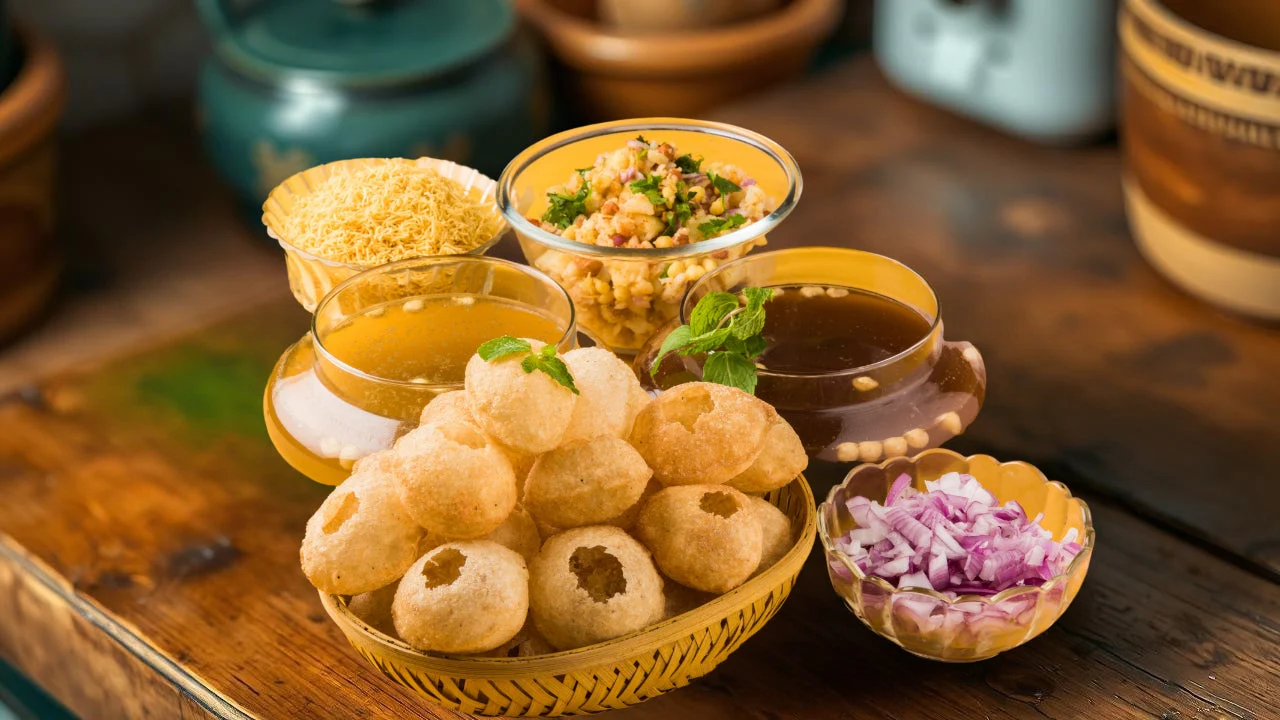
Indian street food is one of the most regionally diverse snack traditions in the world. What is sold on a street corner in Kolkata bears little resemblance to what a vendor hawks outside a Chennai temple, which is again entirely different from the chaat stalls of Old Delhi. This regional specificity is what makes the format exciting, and what separates a genuine street food menu from a generic one.
The dishes gaining the most traction in Melbourne in 2026 cluster around three traditions. Mumbai chaat culture, with its sour, spicy, and textured combinations of puffed rice, chutneys, and fried dough, has the broadest audience. South Indian snacks, particularly dosas and their accompaniments, already had a foothold in Melbourne’s large South Indian diaspora community and are now crossing over into the broader dining public. And North Indian fried snacks, particularly the samosa and its many regional cousins, have become a reference point for what quality looks like in this category.
At Flora Melbourne, a tasting event in mid-2024 centred on a chaat menu drew attendees who had never encountered pani puri before. By the end of the evening, the consensus was that the format felt familiar, because the underlying logic of sour, salty, spicy, and crunchy is a flavour combination that transcends cultural origin. The guest who described himself as “not an Indian food person” left asking when the next event was scheduled.
One thing NOT to do: do not treat street food as lesser food. The technique involved in a properly made pani puri, from the thin, hollow puri that must be fried to the precise texture to the balanced tamarind water that fills it, is as demanding as any fine dining preparation. Venues that price this category at throwaway levels are usually cutting somewhere you will notice.
The Dishes Worth Knowing in Melbourne 2026
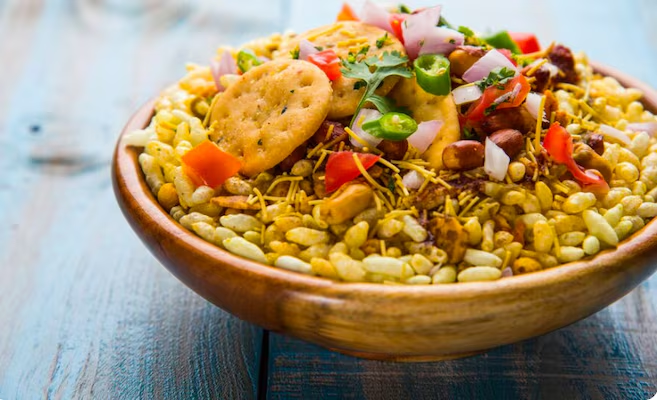
Understanding the key dishes makes ordering easier and the experience richer:
- Pani puri (also called gol gappa): hollow fried spheres filled with spiced water, chickpeas, and potato. Eaten in one bite. The sequence of flavours is sour, spicy, and cooling all at once.
- Bhel puri: a dry or semi-dry mix of puffed rice, vegetables, tamarind chutney, and sev (fried chickpea noodles). Textural, bright, and best eaten immediately before the puri softens.
- Samosa chaat: a deconstructed samosa served over chickpea curry, yoghurt, and chutneys. More substantial than it sounds; works as a light meal.
- Vada pav: Mumbai’s answer to the burger. A spiced potato fritter inside a soft bread roll with dry coconut chutney. Simple and precise.
- Dosa: a thin, fermented rice and lentil crepe, typically served with sambar and coconut chutney. Crisp, light, and deeply savoury.
Street Food Style and Occasion Comparison
| Dish | Flavour Profile | Best For | Dietary Note |
|---|---|---|---|
| Pani puri | Sour, spicy, cooling | First-time Indian street food experience | Usually vegan |
| Bhel puri | Tangy, crunchy, fresh | Light snack or starter | Vegan; gluten-aware options available |
| Samosa chaat | Rich, layered, hearty | Casual lunch or shared starter | Vegetarian |
| Vada pav | Savoury, warming, satisfying | Comfort eating; quick solo meal | Vegan without butter |
| Dosa | Crisp, fermented, savoury | Substantial meal; suits all group types | Gluten-free; vegan with oil |
What We Have Learned Watching Melbourne Fall for Indian Street Food
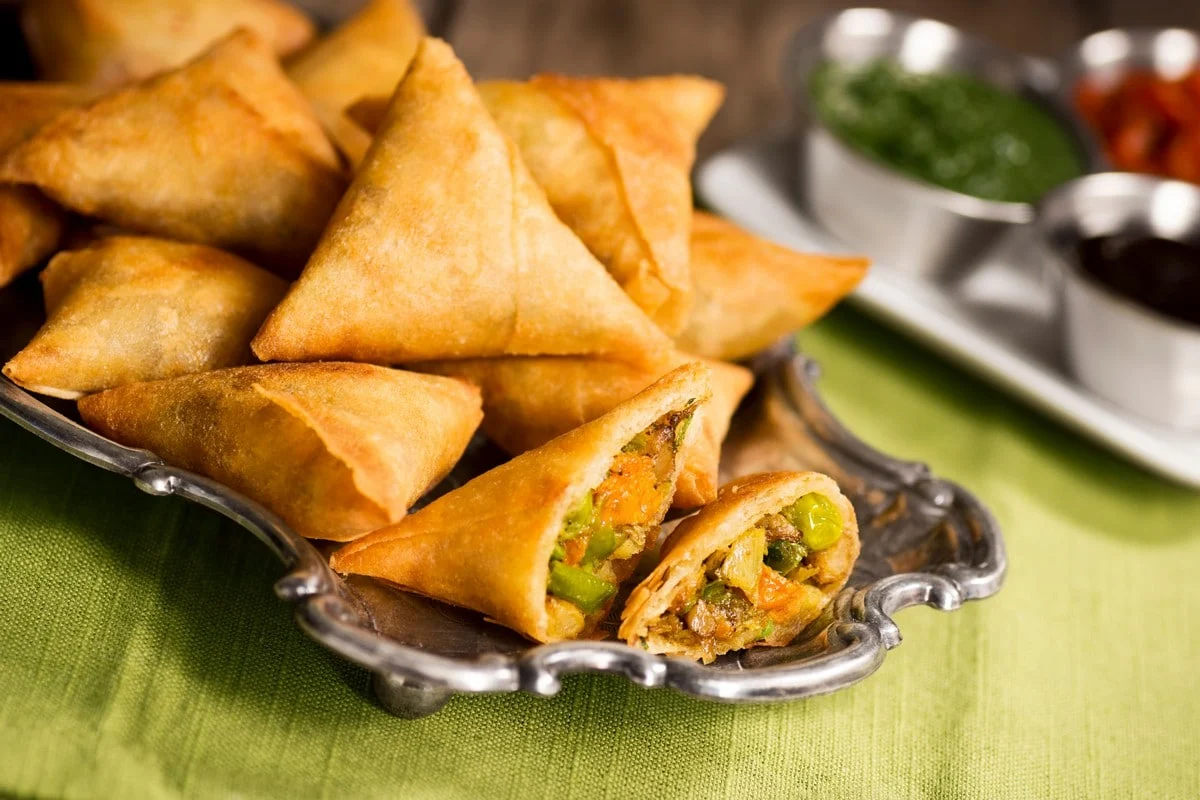
The pattern is consistent: diners who encounter Indian street food in a context that explains the dish, its origin, and how to eat it, leave with a connection to the food that a menu description alone cannot produce. Staff who can answer “what is this, and why does it taste like this?” are doing more work for a restaurant’s reputation than any marketing campaign.
The principle for anyone building a street food menu in Melbourne is that knowledge is part of the product. The food does the first job. The story does the second.
Try Flora Melbourne’s street food-inspired menu and reserve your spot today.
Frequently Asked Questions
What is Indian street food and why is it popular in Melbourne in 2026?
Indian street food refers to the snack and fast-food traditions found across the Indian subcontinent, from Mumbai’s chaat stalls to South India’s dosa vendors. In Melbourne in 2026, it is gaining popularity because it offers intense, complex flavour at accessible price points in a casual format that suits how younger Melbourne diners want to eat: quickly, socially, and with variety.
What are the most popular Indian street food dishes in Melbourne?
The dishes generating the most interest in Melbourne’s current dining scene are pani puri, bhel puri, samosa chaat, vada pav, and dosa. Each comes from a different regional tradition within India and offers a distinct flavour profile. Most are vegetarian or vegan, which broadens their appeal across Melbourne’s increasingly plant-forward dining public.
Is Indian street food suitable for vegetarians and vegans in Melbourne?
Yes, strongly so. A large proportion of traditional Indian street food is plant-based by origin, not by adaptation, because many of the dishes come from communities with long vegetarian food traditions. Pani puri, bhel puri, and dosa are typically vegan. Always confirm preparation methods when dairy or gluten is a concern.
How much does Indian street food cost at a Melbourne restaurant in 2026?
At quality Indian restaurants in Melbourne offering street food-style dishes, individual items typically range from $8 to $18 per piece or serve. A satisfying meal built from three to four dishes per person generally comes to $30 to $55 before drinks. This positions Indian street food as one of the more accessible quality dining options in the city.
What is the difference between chaat and other Indian street food?
Chaat is a category of Indian street food characterised by the combination of contrasting flavours in a single dish: sour, sweet, spicy, and salty together, often with multiple textures. It is a Mumbai-originated tradition with strong roots in North India. Not all Indian street food is chaat: dosa and vada pav, for instance, belong to distinct regional categories with different flavour logic.
I have never tried Indian street food before. Where should I start at Flora Melbourne?
Pani puri is the recommended starting point for first-timers because it delivers the essential logic of Indian street food, contrasting flavours in a single, surprising bite, in the most concentrated form. From there, bhel puri provides a longer, more textural experience, and samosa chaat offers something closer to a light meal. Ask a staff member to walk you through the order of tasting for the best experience.
About the Author: The Flora Melbourne editorial team is based in Melbourne, Victoria, and covers contemporary Indian dining, street food culture, and the evolving restaurant landscape of one of Australia’s most dynamic food cities. Flora Melbourne is a modern Indian restaurant drawing on the coastal and spice-trade traditions of Kerala. For reservations and current menus, visit flora.melbourne.