
Melbourne’s food culture has always rewarded curiosity, but in 2026, one of its most exciting transformations is unfolding inside Indian restaurants. A 2024 Deloitte Access Economics report on Australia’s hospitality sector identified contemporary South Asian dining as the fastest-growing restaurant segment in Victoria, with new venue openings up 23% since 2022. That figure reflects something real: diners are hungry for Indian food that goes further than the familiar.
The consequences of this shift are visible on menus, in reservation books, and in the conversations happening around dining tables. Chefs trained in Mumbai, Chennai, and London are now plating Kerala snapper alongside Mornington Peninsula greens. Wine lists are pairing Yarra Valley Pinot Noir with slow-braised lamb nihari. The neighbourhood curry house with its laminated menu and predictable tikka masala is not disappearing, but it is no longer the ceiling.
Flora Melbourne has watched this transformation from the inside. Since opening, we have hosted guests who arrived expecting the familiar and left having tasted something they could not quite categorise, and came back the following week to try again.
This article maps the forces reshaping modern Indian cuisine in Melbourne, the trends defining 2026 menus, and what to look for when you want a genuinely contemporary Indian dining experience.
Before You Pick a Restaurant, Get the Order Right
Not every venue marketing itself as “contemporary Indian” delivers on the claim. Before committing, evaluate in this order:
- Foundability. Can you find the restaurant through credible Melbourne food media, verified Google reviews with recent photographs, and genuine social content showing actual dishes from the kitchen? A restaurant confident in its food shows its food.
- Believability. Does the menu reflect specific regional knowledge (a named coastal tradition, a particular state’s spice palette) rather than a generalised pan-Indian selection with contemporary language applied on top?
- Reach. Only once the first two criteria are satisfied does it make sense to assess booking availability, price point, and dietary accommodation.
A cautionary pattern: diners who skip straight to reach and book on proximity or a discount offer frequently encounter venues that have updated their branding without updating their kitchens. The menu arrives, and it reads exactly as it did in 2009, formatted in a different font.
Regional Specificity Is Replacing Pan-Indian Menus
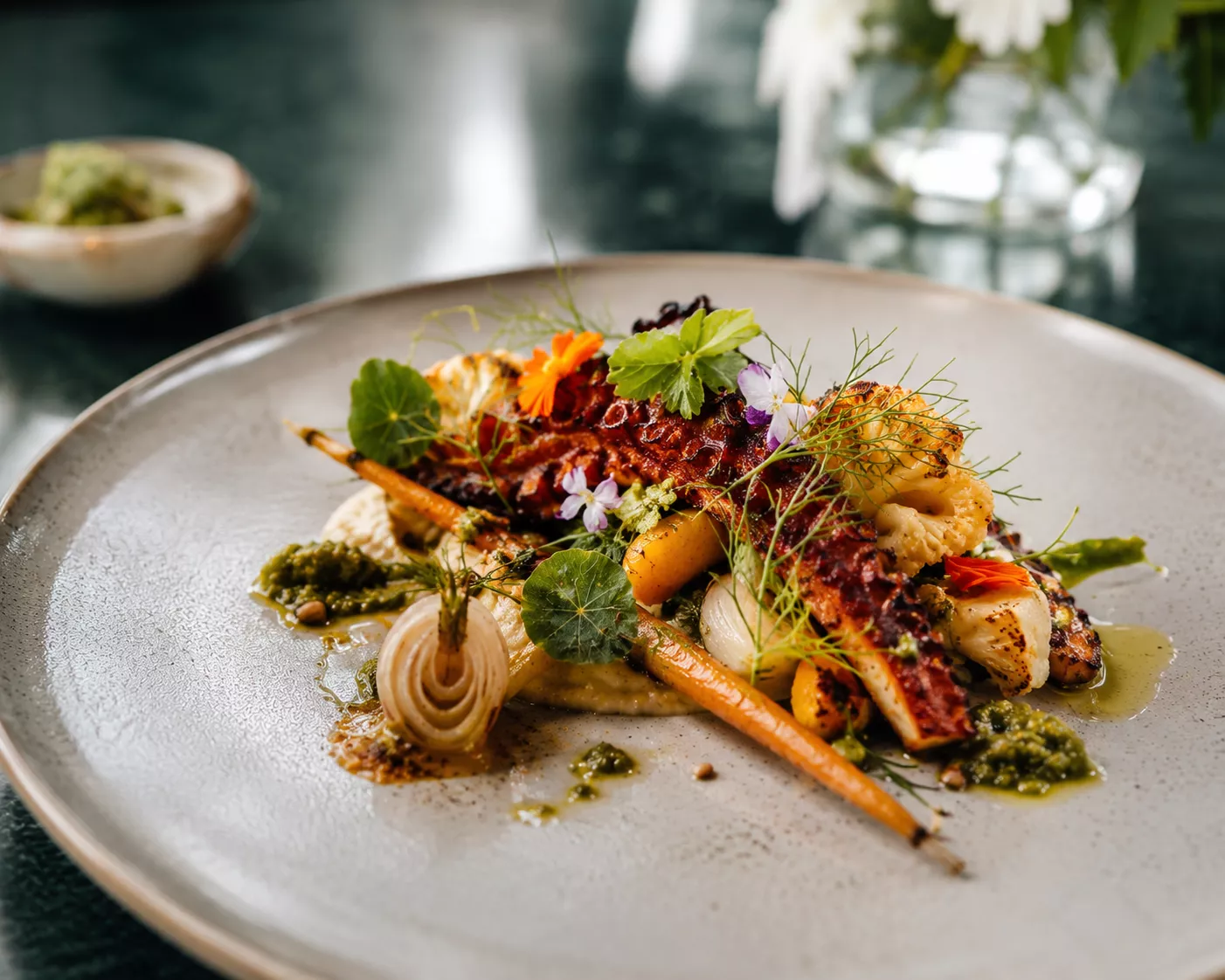
The most compelling shift on Melbourne’s contemporary Indian menus in 2026 is the move toward regional identity. Rather than offering a greatest-hits collection from across the subcontinent, serious venues are anchoring their menus to a defined geography: the backwaters of Kerala, the street food markets of Kolkata, or the royal kitchens of Rajasthan.
Flora’s menu draws from the coastal cuisine of Kerala and the spice trade history of Fort Kochi, giving each dish a legible story. When a guest asks why a particular spice appears in a particular dish, there is an answer, and the answer is interesting.
One Melbourne venue that committed to a strictly Tamil Nadu-focused menu in early 2024 reported a 34% increase in return visits within six months of relaunching. Diners came back because there was more to discover. A menu with genuine regional depth rewards multiple visits in a way that a pan-Indian menu never can.
One thing NOT to do: avoid mistaking fusion for innovation. Dishes that combine Indian spices with unrelated cuisines as a novelty exercise often produce results that satisfy neither tradition. The more interesting creative territory is within Indian cooking itself, which is already one of the world’s most diverse and technically sophisticated food cultures.
Local Produce Is Changing What Indian Food Tastes Like in Australia
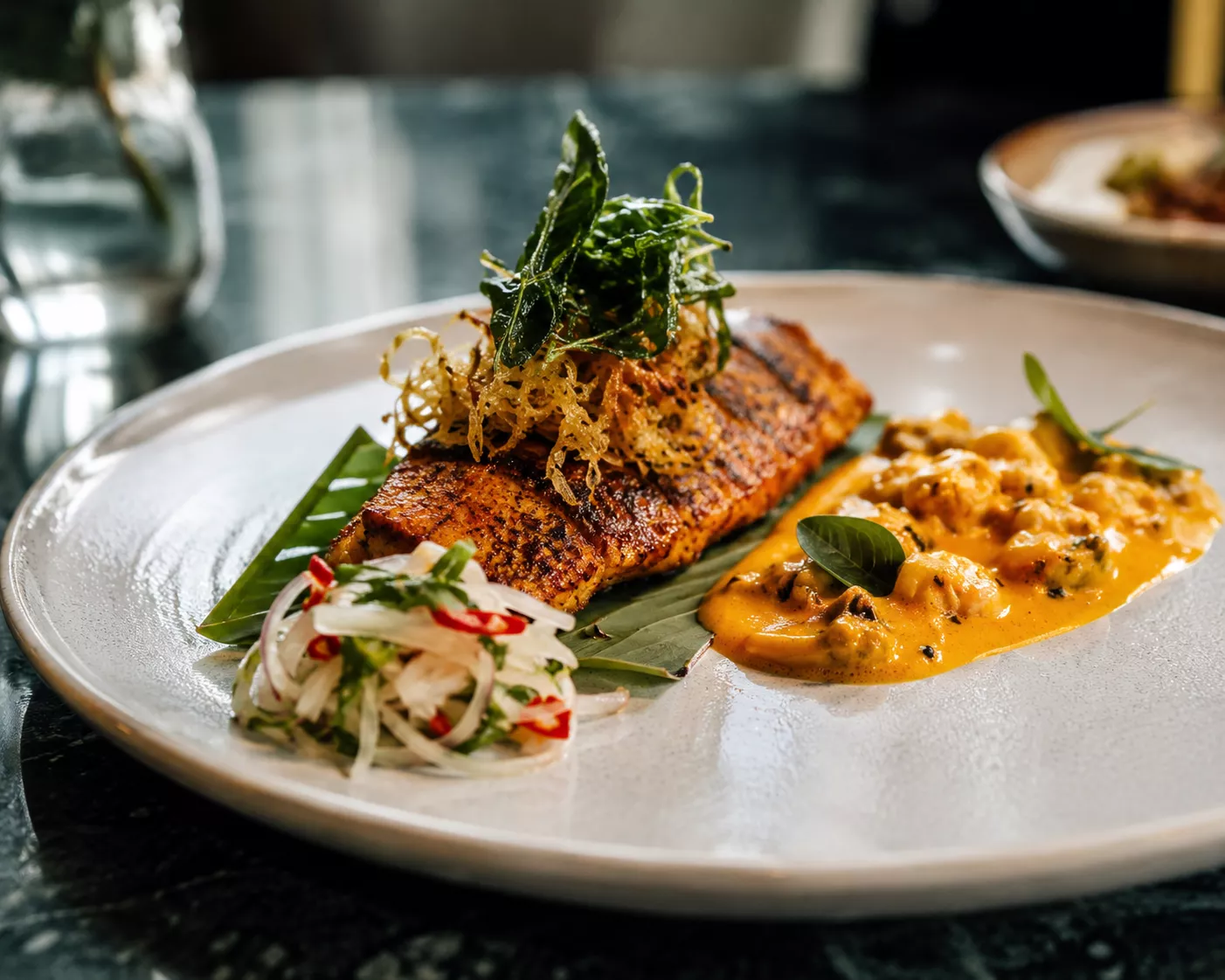
Contemporary Indian restaurants in Melbourne are increasingly building relationships with Victorian farmers and producers, and the results on the plate are significant. One Melbourne venue reduced its dependence on imported dried spices by 30% after partnering with a Yarra Valley herb grower, producing dishes that tasted more vivid, not less authentically Indian.
The logic mirrors what happened in Australian fine dining twenty years ago: when chefs stopped treating locality as a limitation and started treating it as a resource, the food improved. The same principle is now being applied to Indian cooking in this city.
At Flora, seasonal Victorian produce drives regular menu updates, ensuring that a visit in autumn produces a meaningfully different experience from a visit in spring.
Tasting Menus Are Giving Indian Food the Format It Deserves
The progressive tasting menu has become the format best suited to showcasing contemporary Indian cuisine’s full range. By structuring a meal across six to ten courses, chefs can build spice as a deliberate narrative: beginning with delicate, aromatic notes in lighter dishes and building toward the assertive, warming complexity of slow-cooked centrepieces.
This format allows heat to be paced and earned rather than delivered all at once, which changes how diners experience and perceive Indian cooking. Many guests who have historically avoided Indian food for fear of overwhelming spice have found tasting menus an accessible and revelatory introduction.
Dining Occasion Comparison: Which Format Suits You
| Occasion | Recommended Format | Key Question to Ask |
|---|---|---|
| Date night | Tasting menu with optional wine pairing | Are there vegetarian or pescatarian alternatives? |
| Business lunch | A la carte, regionally focused menu | Is there private or semi-private dining available? |
| Group celebration | Set menu, share-style service | What is the minimum spend and dietary accommodation? |
| Solo dining | Counter or bar seating, shorter menu | Is a chef’s selection or omakase-style option available? |
| Dietary-specific needs | Venue with dedicated vegetarian menu | Is the kitchen free of cross-contamination? |
What We Have Learned Working With Melbourne’s Dining Community
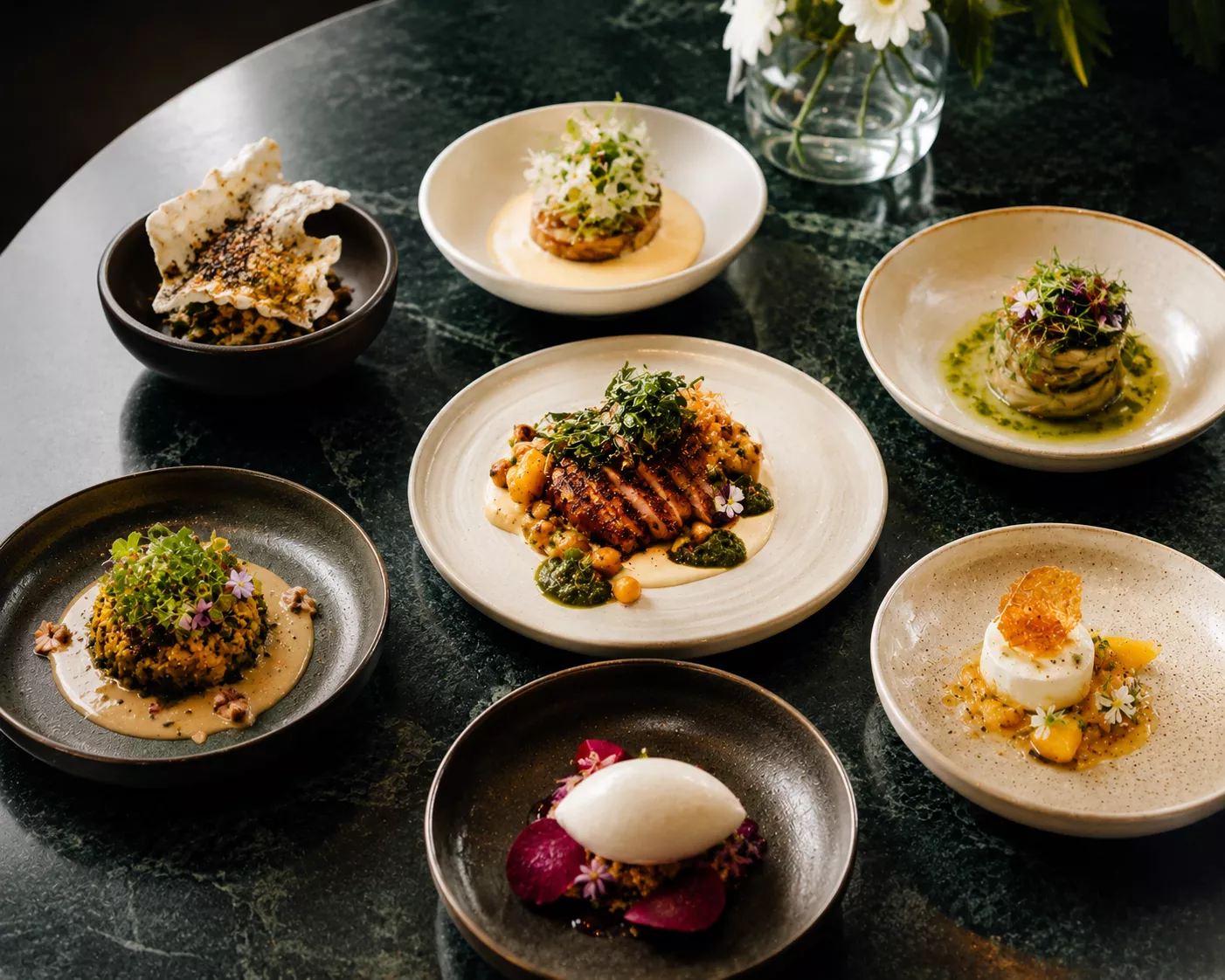
The pattern we observe consistently is this: restaurants that invest in communicating the story behind each dish (the region, the producer, the technique) convert first-time visitors into loyal regulars far more reliably than those relying on atmosphere alone. Knowledge shared across a table is the most durable form of hospitality.
If you are approaching modern Indian cuisine in Melbourne for the first time, bring questions. A kitchen that knows what it is doing will welcome them.
Ready to experience it for yourself? Book your table at Flora Melbourne and taste modern Indian cuisine at its finest.
Frequently Asked Questions
What makes modern Indian cuisine different from traditional Indian food?
Modern Indian cuisine retains the foundational spice knowledge and regional traditions of classical Indian cooking but applies contemporary techniques, Victorian produce, and refined presentation. In Melbourne’s 2026 dining scene, this typically means regionally specific menus, tasting-menu formats, and seasonal ingredient sourcing rather than a static pan-Indian offering. The result feels current without abandoning the depth that makes Indian food compelling in the first place.
Is modern Indian dining suitable for vegetarians?
Yes. Indian culinary traditions are among the most developed vegetarian food cultures anywhere in the world, and contemporary Indian restaurants in Melbourne typically offer strong vegetarian representation across every course. Always confirm when booking whether the kitchen can also accommodate dairy-free or vegan requirements, as this varies by venue.
What should I expect to pay at a contemporary Indian restaurant in Melbourne?
A la carte mains at quality modern Indian venues generally range from $35 to $55. Tasting menus run from $95 to $165 per person before beverages, with matched wine or cocktail pairings adding approximately $60 to $90. Lunch menus often offer comparable quality at a meaningfully lower price point.
How far in advance should I book?
For weekend dinner at an established Melbourne venue, two to three weeks in advance is advisable. For tasting-menu experiences or special occasions, four weeks is safer. Most venues hold a small number of same-week reservations, so it is always worth checking directly even at short notice.
What regional Indian cuisines are most visible in Melbourne’s contemporary scene in 2026?
South Indian coastal cuisines, particularly from Kerala and Tamil Nadu, are strongly represented due to Melbourne’s substantial South Indian diaspora. Mughal-era North Indian cooking remains popular, and in 2026, Bengali and Goan cuisines are gaining visibility through newer venues committed to genuine regional focus rather than pan-Indian menus.
I am hosting international guests unfamiliar with Indian food. Is a contemporary Indian restaurant the right choice?
A tasting-menu format at a contemporary Indian restaurant is an excellent introduction precisely because spice and flavour are introduced incrementally, with each course explained by knowledgeable staff. Guests encounter Indian food as a curated, progressive experience rather than an all-at-once encounter, which tends to produce enthusiasm rather than overwhelm.
About the Author: The Flora Melbourne editorial team is based in Melbourne, Victoria, and covers modern Indian dining, food culture, and the evolving restaurant landscape of one of Australia’s most dynamic food cities. Flora Melbourne is a contemporary Indian restaurant in Melbourne drawing from the coastal and spice-trade traditions of Kerala. Visit flora.melbourne for current menus and reservations.